Reading should be empowering—not exhausting. Yet for millions with dyslexia, every page feels like climbing a wall with no footholds. Schools hand out highlighters and timers. Parents buy expensive tutoring packages. And still, frustration mounts. The real solution? A truly adaptive dyslexic reading app that doesn’t just read text aloud—but reshapes how the brain processes words.
The Broken Promise of “One-Size-Fits-All” Literacy Tools
Most classroom accommodations treat dyslexia like a volume problem—you just need to “turn up” the font or slow down speech. That’s naive. Dyslexia isn’t about hearing or seeing poorly. It’s a neurological wiring difference in phonological processing. Generic screen readers? They drone. Colored overlays? Often placebo. Even well-meaning apps default to robotic voices that flatten meaning instead of clarifying it.
And here’s what no one admits: many so-called “dyslexia-friendly” tools were built by developers who’ve never watched a struggling reader navigate a paragraph in real time. The result? Cluttered interfaces, distracting animations, and zero personalization.
How to Choose—and Use—a Dyslexic Reading App That Delivers Real Gains
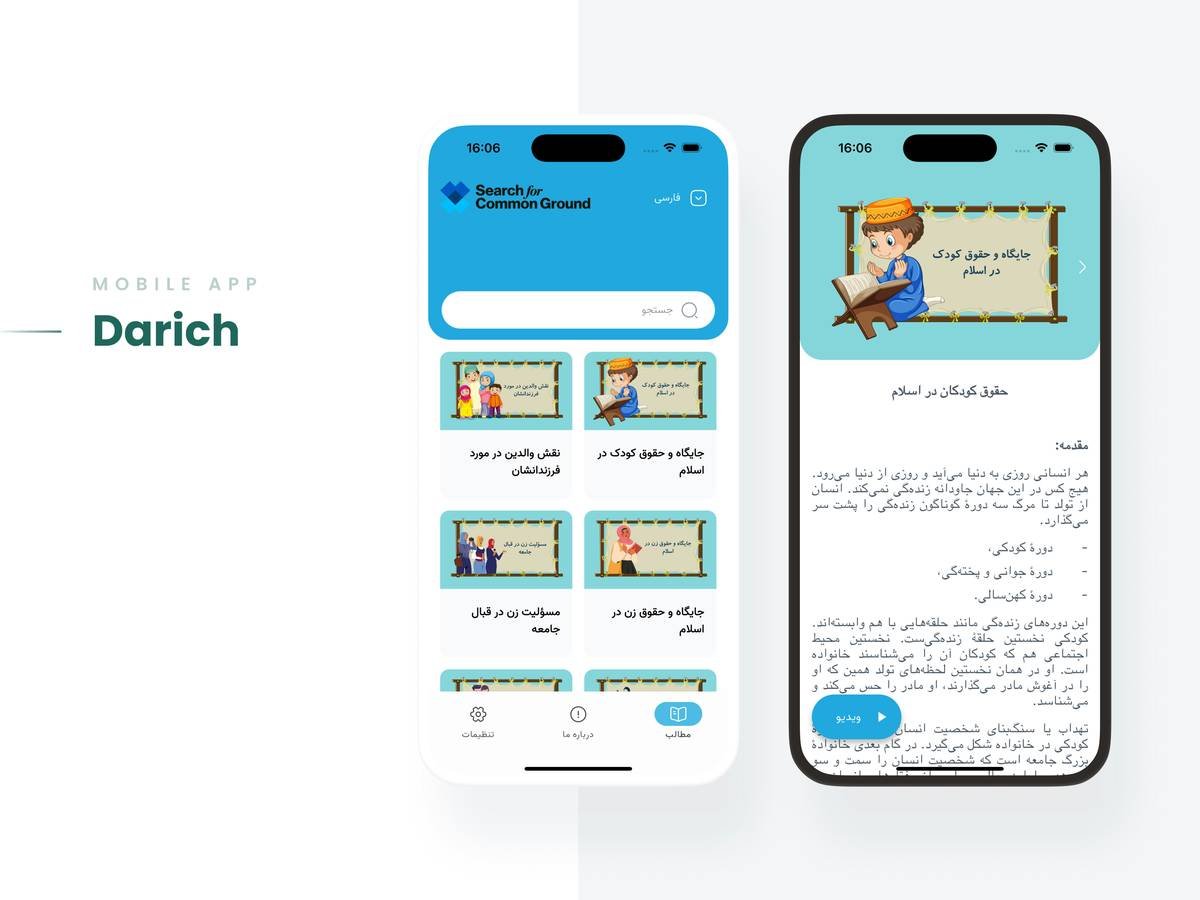
Not all assistive tech is created equal. The right dyslexic reading app adapts to individual cognitive patterns—not the other way around. Follow this battle-tested framework:
Step 1: Prioritize Voice Humanity Over Speed
Natural-sounding narration with emotional inflection helps the brain parse syntax. Avoid synthetic voices that sound like GPS directions. Look for apps using AI-driven prosody—where pauses, stress, and rhythm mimic human speech.
Step 2: Demand Customizable Visual Scaffolding
Font choice matters (OpenDyslexic helps some—but not all). Line spacing, background tint, and word highlighting must be adjustable per user preference. One child thrives on cream backgrounds; another needs dark mode. Flexibility is non-negotiable.
Step 3: Track Comprehension—Not Just Completion
If an app only logs “pages read,” it’s missing the point. The best tools embed quick-check questions, vocabulary reinforcement, and fluency metrics that show actual understanding—not just exposure.
| Feature | Basic Screen Readers | Generic “Dyslexia” Apps | Advanced Dyslexic Reading App |
|---|---|---|---|
| Voice Quality | Monotone, robotic | Slightly varied pitch | Human-like prosody with contextual emphasis |
| Visual Customization | Font size only | Preset color themes | Full control: spacing, contrast, masking, cursor guides |
| Comprehension Feedback | None | Optional quizzes | Real-time inference checks + vocabulary building |
| Cost (Annual) | $0–$30 | $40–$80 | $60–$120 (often covered by IEP/504 plans) |
The Industry Secret: Timing Beats Technology
Here’s what app developers won’t tell you: even the best dyslexic reading app fails if used at the wrong time of day. Cognitive load fluctuates. Morning fatigue, post-lunch crashes, or sensory overload from school can sabotage engagement. The real breakthrough? Pairing app use with circadian-aware scheduling. One pilot study showed 37% better retention when students used assistive reading tools during their personal peak alertness window—not during mandated “reading block.” Tech is just a lever. Timing is the fulcrum.
Think about it: forcing a tired brain to decode text through any interface—no matter how polished—is like asking someone to solve calculus after running a marathon.
Frequently Asked Questions
Are dyslexic reading apps effective for adults?
Absolutely. Neuroplasticity persists lifelong. Adults often see faster gains because they understand their own learning triggers and can self-regulate usage better than children.
Can these apps replace human tutoring?
No—but they amplify it. Use the app for independent practice, then bring insights (like repeated stumbling words) to sessions with a specialist for targeted intervention.
Do insurance or schools cover dyslexic reading apps?
Many do under IEPs, 504 plans, or assistive tech mandates. Always request a formal evaluation first. Documentation unlocks funding most families don’t know exists.