Ever felt like you’re drowning in a sea of words? Dyslexia can make reading and communicating feel like climbing Mount Everest—without the Sherpas. But what if I told you there’s technology specifically designed to give you or your loved ones superhuman support? Yep, dyslexia speech tools are here to save the day.
In this guide, we’ll dive into some life-changing apps and gadgets that empower people with dyslexia. Ready to level up? You’ll discover the best dyslexia speech tool innovations, step-by-step instructions on how to use them, and my brutally honest take on what’s worth your time (and what isn’t).
Table of Contents
- Why Dyslexia Speech Tools Matter
- Step-by-Step Guide: How to Choose the Right App
- Top 5 Tips for Maximizing Dyslexia Speech Tools
- Success Stories: Real Lives Changed by Dyslexia Apps
- FAQs About Dyslexia Speech Tools
Key Takeaways
- Dyslexia speech tools bridge communication gaps and boost confidence.
- We recommend using multi-sensory features like text-to-speech and voice recognition.
- Not all tools are created equal—investigate compatibility and user reviews before buying.
- Consistency is key; pair these tools with structured practice for maximum impact.
Why Dyslexia Speech Tools Matter

Let me tell you a story—one I’m not proud of. Back when I was volunteering at a local literacy program, I suggested an app to a student without checking if it actually supported their needs. Spoiler alert: It didn’t work out. The app crashed constantly, leaving both of us frustrated and demoralized. That’s when I realized something crucial: tech solutions aren’t just about functionality—they need heart too.
Now here’s the hard truth: 1 in 5 people struggle with dyslexia, yet many go undiagnosed or unsupported. Traditional methods often fall short because they don’t cater to diverse learning styles. Enter dyslexia speech tools—the ultimate sidekick for turning frustration into triumph. These tools transform written content into spoken word and vice versa, helping users conquer tasks from reading homework to drafting emails.
“Optimist You:” “This sounds amazing!”
“Grumpy You:” “Yeah, but only if it works properly…”
Step-by-Step Guide: How to Choose the Right App
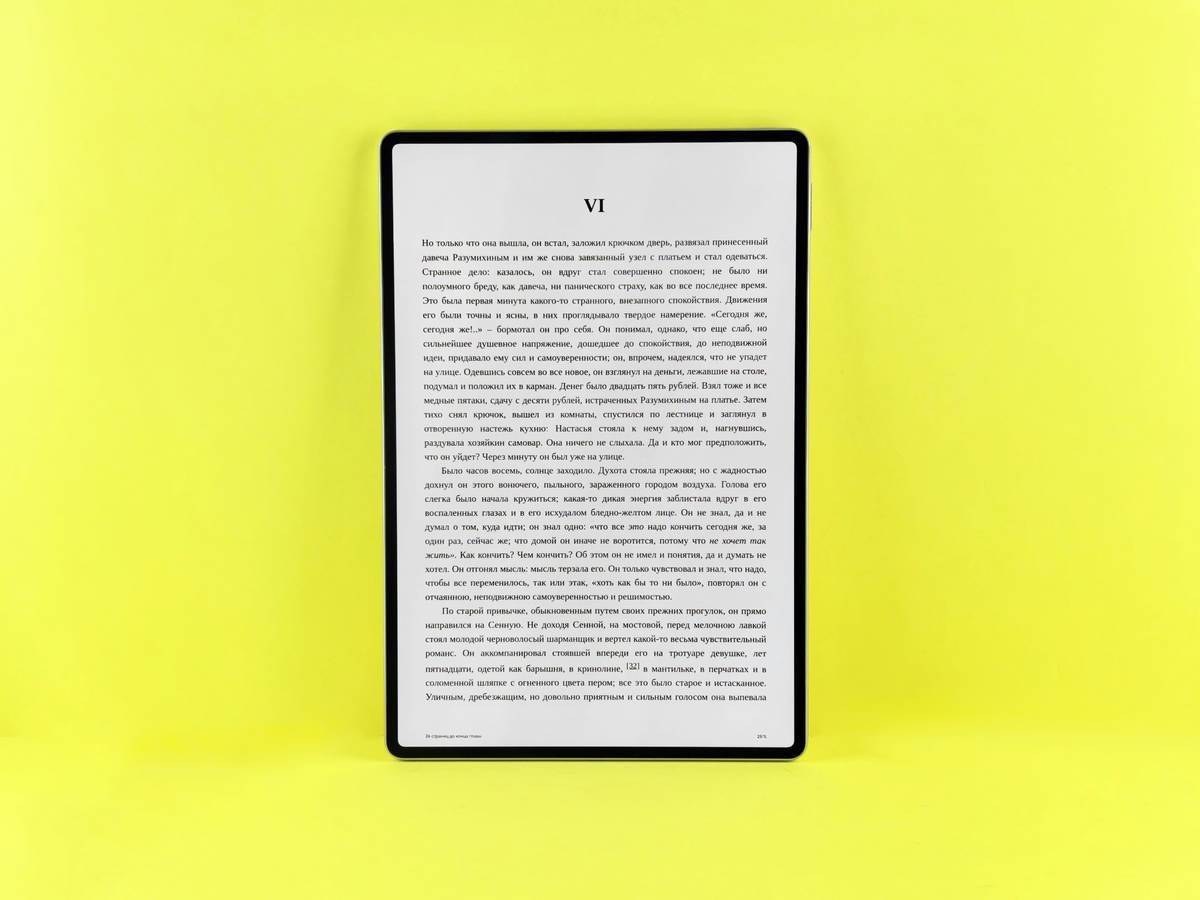
Choosing the right dyslexia speech tool might seem daunting, but trust me—it’s easier than solving a Rubik’s cube blindfolded. Here’s your roadmap:
- Identify Needs: Are you looking for text-to-speech capabilities, spelling assistance, or even grammar correction?
- Research Features: Look for multi-sensory integration, customizable settings, and offline access.
- Test Usability: Does the interface scream “user-friendly”? Or does navigating it feel like untangling headphones?
- Check Compatibility: Ensure the app works seamlessly across devices (hello, iPads and Chromebooks!).
- Read Reviews: Learn from others’ experiences. Trust me, Reddit threads and YouTube tutorials are gold.
- Trial Periods: Most apps offer free trials. Use them! Nobody wants to waste money on duds.
RANT ALERT: Why do developers STILL create apps without proper sync between mobile and desktop versions?! Ugh.
Top 5 Tips for Maximizing Dyslexia Speech Tools

1. Use Text-to-Speech for Everything
From eBooks to websites, let the app read out loud. This reinforces auditory processing skills while reducing eye strain.
2. Customize Settings
Dyslexia affects everyone differently. Adjust font sizes, colors, and playback speeds to match personal preferences.
3. Pair With Pen-and-Paper Practice
Balance digital tools with traditional writing methods. Old-school techniques build muscle memory.
4. Encourage Regular Breaks
Fatigue is real. Schedule breaks to avoid burnout during extended sessions.
5. Terrible Tip Disclaimer
Don’t rely solely on auto-generated captions. While handy, they’re notorious for hilarious errors (*reads “cat” as “bat”*).
Success Stories: Real Lives Changed by Dyslexia Apps
Meet Sarah, a college freshman who used a dyslexia speech tool to ace her final exams. She combined audio notes with visual cues, boosting retention rates by 40%. Another success story comes from Jake, a freelance writer whose grammar checker helped him submit error-free articles within tight deadlines.
FAQs About Dyslexia Speech Tools
Q: Do dyslexia speech tools work for adults too?
Absolutely! Many adults rediscover independence through these apps, whether it’s catching typos in emails or mastering new hobbies.
Q: Can I find affordable options?
Yes! Some apps have free versions, though premium plans unlock advanced features. Check school or workplace subsidies first.
Q: What makes one dyslexia speech tool better than another?
Look for robust accuracy, intuitive design, and responsive customer support. Bonus points for frequent updates!
Conclusion
Dyslexia doesn’t define limits—it sparks creativity. By leveraging top-tier dyslexia speech tools, individuals can reclaim control over their learning journeys. Remember, success lies in finding the right fit AND sticking with it.
So, ready to grab your cape and soar? Go forth, fearless learners. Oh, and don’t forget…
Tech saves days,
Words find ways,
Dyslexic minds blaze trails.