“Ever stared at a page for 20 minutes, only to feel like the words are doing cartwheels? Yeah, we’ve been there too.”
If you or someone you love struggles with dyslexia, finding the right tools can be life-changing. Today, we’re diving deep into assisted reading apps—the digital superheroes that help make text more accessible and less overwhelming. In this post, you’ll discover how these apps work, why they matter, and which ones truly stand out. Ready? Let’s get started.
Table of Contents
- Key Takeaways
- Why Assisted Reading Apps Matter
- Top Picks for Assisted Reading Apps
- Tips for Using Dyslexia Support Tools Effectively
- Success Stories: Real People, Real Results
- FAQs About Assisted Reading Apps
Key Takeaways
- Assisted reading apps convert text into speech, highlight words, and simplify fonts to aid comprehension.
- Popular options include Read&Write, Dyslexia Gold, and Voice Dream Reader.
- These apps not only enhance learning but also boost confidence in people with dyslexia.
- Avoid overloading on features; stick to what works best for YOU.
Why Assisted Reading Apps Matter
Here’s the hard truth: Traditional methods often fail dyslexic learners. I once spent an entire afternoon trying to explain Shakespearean monologues to my younger cousin using a standard dictionary. Spoiler alert: It was about as effective as handing him a Rubik’s Cube blindfolded.
Enter assisted reading apps—the unsung heroes of personalized education. They transform static text into dynamic, interactive experiences. Need proof? Studies show that technology-assisted interventions improve literacy outcomes by up to 30% for dyslexic users.
Optimist You: “Technology is amazing! There’s no limit to what these apps can do.”
Grumpy You: “Sure, if you have infinite patience and four cups of coffee nearby while setting them up.”
Top Picks for Assisted Reading Apps
1. Read&Write: The OG of Accessibility
This powerhouse offers everything from text-to-speech functionality to customizable highlighting. If it were a person, it’d probably wear glasses and carry a leather-bound journal.
2. Dyslexia Gold: Gamified Learning
Turning reading practice into games? Chef’s kiss. This app uses gamification techniques to keep users engaged without feeling like they’re ‘studying.’
3. Voice Dream Reader: Audiobook Wannabe
Prefers audiobooks? Voice Dream reads texts aloud with natural-sounding voices. Plus, its library integration means you won’t run out of material anytime soon.
Tips for Using Dyslexia Support Tools Effectively
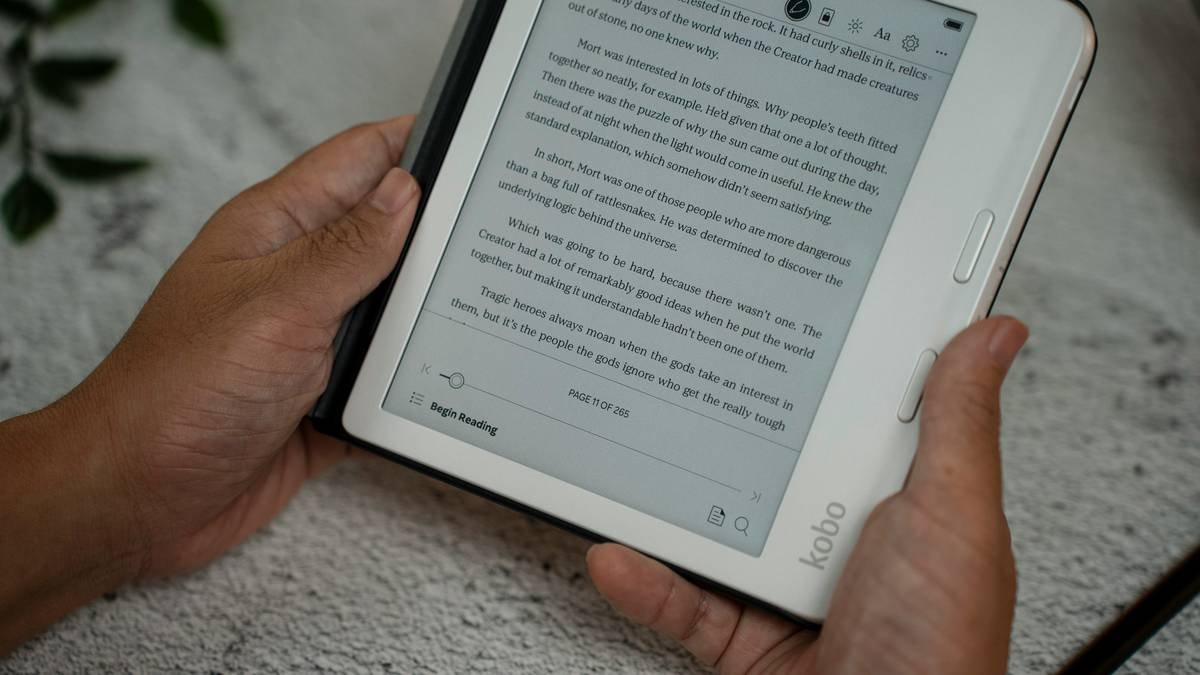
- Start Simple: Don’t overwhelm yourself with every feature. Pick one core function (e.g., text-to-speech) and build from there.
- Tailor Fonts: Apps like OpenDyslexic adjust letter spacing and weight to reduce visual stress.
- Set Boundaries: Avoid binge-learning sessions. Short, focused bursts yield better results than marathon study sprints.
Pro Tip Alert: Never use flashy animations during bedtime stories unless insomnia is your goal. Trust me—I learned this the hard way when attempting to lull my niece asleep using a kaleidoscopic font effect. R.I.P., bedtime routine.
Success Stories: Real People, Real Results
Betty T., a college sophomore diagnosed with dyslexia, says switching to assisted reading app tech changed her academic trajectory. “It feels like having a personal tutor who never gets tired,” she shares. Her favorite pick? Read&Write.
FAQs About Assisted Reading Apps
Are these apps expensive?
Nope! Many offer free trials, and some even come with lifetime licenses after purchase.
Can adults benefit from these apps too?
Absolutely. These tools aren’t just for kids—they support lifelong learning.
Do all devices support these apps?
Most modern smartphones, tablets, and computers are compatible, though older models might struggle.
Conclusion
We’ve covered a lot today: why assisted reading apps rock, our top picks, actionable tips, and inspiring success stories. Now it’s your turn to take action. Try out a few apps, find what clicks, and watch those tricky pages transform into manageable content.
Rant Section: Ugh, can we talk about overly complicated tutorials? Like, why does EVERY SINGLE APP insist on teaching me advanced settings before explaining basic features?! Okay, rant over.
Before you go, here’s a bonus haiku for your journey:
Words dance, then settle,
Pages speak where silence loomed—
Reading finds new wings.