Table of Contents
- Introduction
- Key Takeaways
- The Challenge of Dyslexia Support
- Choosing the Right Dyslexia Audio Aid
- Tips for Maximizing Dyslexia Apps
- Real-Life Success Stories
- FAQs About Dyslexia Audio Aid
- Conclusion
Ever Tried Reading a Book with Dyslexia? It’s Like Decoding Morse Code.
Imagine staring at a page full of words that twist, turn, and jumble before your eyes. For someone with dyslexia, reading can feel like trying to solve an unsolvable puzzle. But here’s some good news: technology is stepping up, and dyslexia audio aid apps are becoming a game-changer in the world of learning support. In this post, you’ll learn why these apps matter, how to choose one that works for you, and tips to make them truly effective. Let’s dive in!
Quick Preview:
- The real challenges faced by individuals with dyslexia in traditional education systems.
- A step-by-step guide to finding the right dyslexia audio aid app.
- Actionable tips to enhance your experience with assistive tools.
- Inspiring success stories from people using these apps daily.
Key Takeaways
- Dyslexia audio aids help bridge gaps in reading comprehension and accessibility.
- Choosing the right app depends on individual needs, preferences, and device compatibility.
- Combining audio aids with other strategies creates a holistic support system.
- Success stories show measurable improvements in confidence and academic performance.
The Challenge of Dyslexia Support: Is Traditional Education Enough?
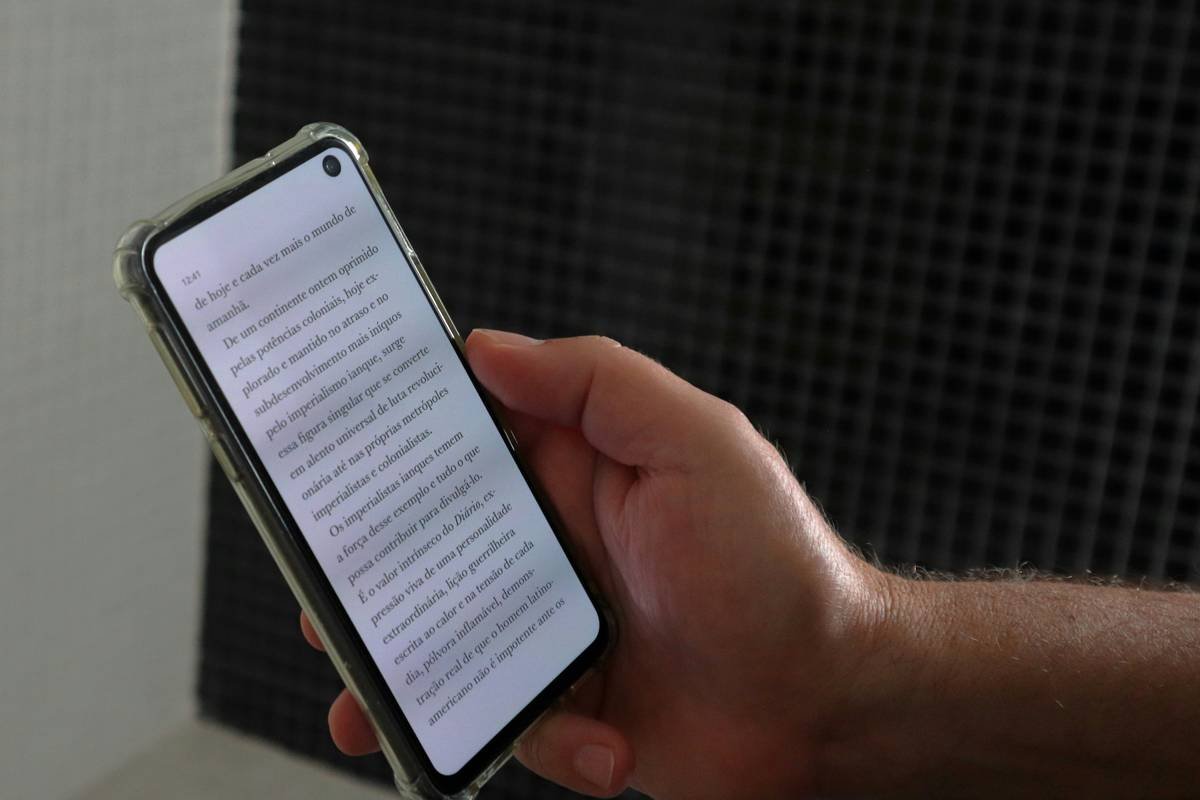
Growing up with dyslexia often means navigating a world not designed for you. Schools focus heavily on visual text-based learning, leaving many students frustrated and falling behind. I once spent hours trying to memorize a single paragraph during college because my brain just couldn’t process it quickly enough. Sound familiar?
Rant Time: Here’s what grinds my gears—text-heavy materials still dominate classrooms despite advancements in tech! Can we retire those endless PDF assignments already?
That’s where dyslexia audio aid apps come into play. These tools offer alternative ways to absorb content through auditory methods, making information more accessible than ever.
Choosing the Right Dyslexia Audio Aid: A Step-by-Step Guide
Optimist You: *“Perfect! Let’s find the ideal app!”*
Grumpy You: *“Ugh, only if they have free trials…”*
Finding the perfect dyslexia audio aid app doesn’t have to be overwhelming. Follow these steps:
- Identify Your Needs: Do you need text-to-speech functionality or audiobooks? Consider exactly what tasks you want the app to assist with.
- Try Free Trials: Most reputable apps provide trial versions. This lets you test usability without committing financially.
- Check Compatibility: Ensure the app integrates with devices you already own, whether iOS, Android, or desktop platforms.
- Evaluate Features: Compare tools like voice customization options, offline capabilities, and language support.
Pro Tip: Avoid apps stuffed with unnecessary bells and whistles that don’t align with your goals—it’s confusing as spaghetti code.
Tips for Maximizing Dyslexia Apps: Chef’s Kiss for Accessibility
- Use Voice Control Wisely: Adjust playback speeds or choose soothing voices to enhance listening comfort.
- Create Playlists: Organize audiobooks or articles by topic so revisiting favorites feels effortless.
- Sync Across Devices: Whether switching between phone and tablet, ensure continuity with cloud-synced libraries.
Terrible Tip Disclaimer: DON’T binge-listen to hours upon hours of material without breaks; even superheroes need rest!
Real-Life Success Stories: From Struggle to Triumph
Let me share the ultimate confessional fail turned win. One student named Alex was stuck in remedial classes due to his slow progress. After adopting Voice Dream Reader, he started devouring audiobooks, boosting both vocabulary and confidence. Within months, he aced his exams and landed near the top of his class. Sounds too good to be true? Nope—it happens every day when tech meets tenacity.
FAQs About Dyslexia Audio Aid
Are Dyslexia Apps Only for Kids?
Nope—they’re beneficial for adults too! Professionals use them for workplace documents, online courses, and self-improvement books.
Can These Tools Replace Traditional Tutoring?
While powerful, audio aids complement rather than replace tutoring. They strengthen independent study habits while human guidance offers personalized feedback.
What’s the Worst Mistake People Make When Using Dyslexia Audio Aids?
Expecting overnight miracles. Consistency is crucial—it takes time to build new neural pathways.
Wrap-Up: Empower Yourself with Dyslexia Audio Aid
So there you have it—everything you need to know about leveraging dyslexia audio aid apps. By identifying the best tools for your lifestyle and embracing proven techniques, you can transform frustration into freedom. Remember, though, progress isn’t linear—it’s messy and beautiful like abstract art.
Final Thought Haiku:
Words flow like rivers,

Dyslexia finds its rhythm,

Tech lights up the path.
Now go ahead, explore these incredible resources—you’ve got this!