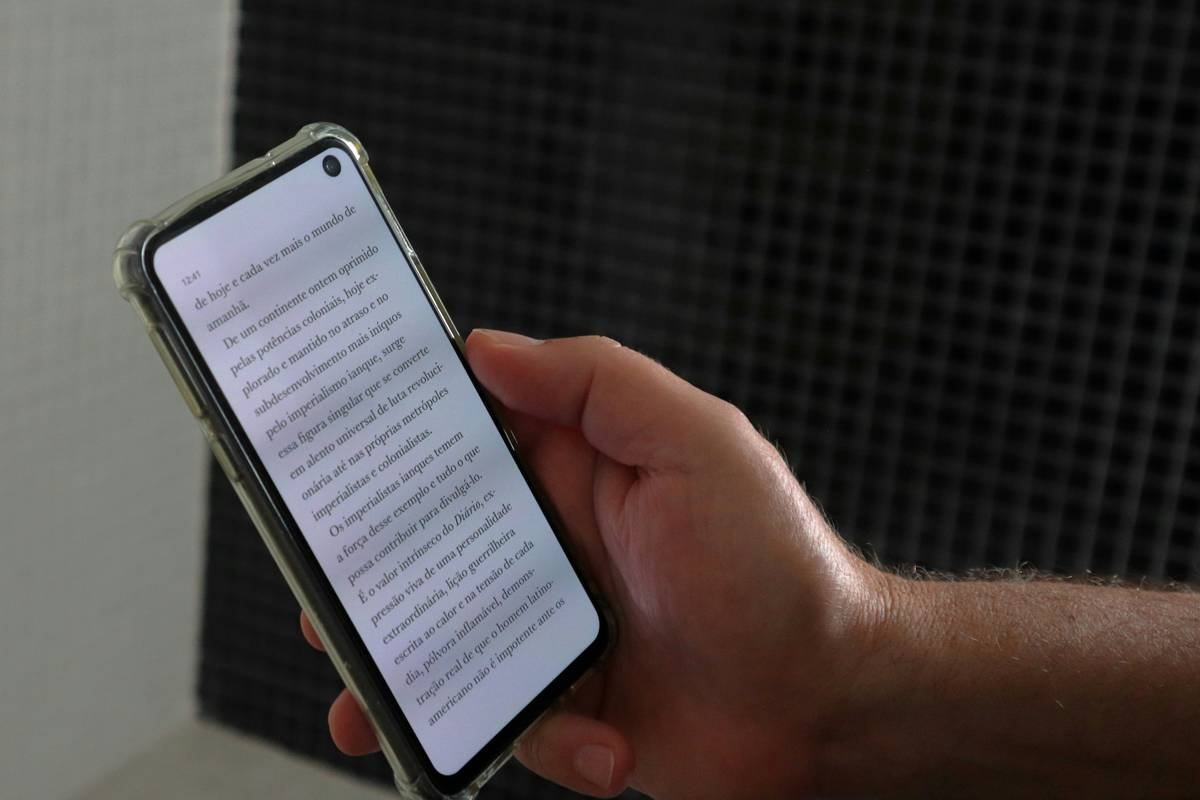
Ever stared at a screen, wishing your dyslexic child had an easier way to learn? You’re not alone. Millions of parents and educators are on the lookout for tools that can ease the frustration of reading and learning challenges. But here’s some good news: with the right learning aid app, you can turn struggles into strengths. In this guide, we’ll dig deep into how dyslexia apps work, why they matter, and which ones might just become your new best friend.
Table of Contents
- Key Takeaways
- Why Dyslexia Support Matters (And Why You Should Care)
- Step-by-Step Guide to Choosing a Dyslexia App
- Tips & Best Practices for Using Learning Aid Apps
- Real-World Examples: Success Stories from Dyslexia Families
- Frequently Asked Questions About Dyslexia Apps
- Conclusion
Key Takeaways
- A learning aid app helps individuals with dyslexia improve literacy skills in engaging ways.
- Choosing the right app involves understanding features like text-to-speech, gamification, and customization.
- Pairing technology with personalized strategies amplifies progress for learners.
- Not all apps are created equal—avoid apps that promise “miracle cures.”
- Success stories show measurable improvements when using well-designed dyslexia apps consistently.
Why Dyslexia Support Matters (And Why You Should Care)
Dyslexia affects roughly 20% of the population—that’s one in five people! While it’s not about intelligence, dyslexia makes traditional reading and writing methods challenging. I’ll confess something embarrassing: When I first started researching this topic, I thought simply buying fancy flashcards would solve everything. Spoiler alert—it didn’t.
“Optimist Me:” “These educational tools will change their life!”
“Grumpy Me:” “Yeah, sure…if changing lives was as easy as slapping stickers on books.”
Here’s where a solid learning aid app steps in. These digital tools provide structured support while keeping things fun. Imagine blending phonics practice with cartoon characters or interactive games. Sounds better than boring worksheets, right?
Step-by-Step Guide to Choosing a Dyslexia App
Step 1: Identify Your Learner’s Needs
No two dyslexic brains are alike. Start by asking questions: Does your learner struggle more with decoding words or comprehension? Do visuals help, or do they prefer auditory feedback? Knowing these preferences sets the stage.
Step 2: Look for Key Features
A quality learning aid app should have:
- Text-to-Speech: Helps read aloud difficult passages.
- Gamified Lessons: Encourages engagement through rewards and levels.
- Customizable Content: Tailors lessons based on specific needs.
Step 3: Check Reviews (But Don’t Fall for Hype)
This is my rant moment: Too many apps claim to be “miraculous” without backing it up. Always check independent reviews, user testimonials, and expert recommendations before pulling out your wallet.
Tips & Best Practices for Using Learning Aid Apps
- Schedule Regular Practice: Consistency beats cramming every time.
- Mix It Up: Alternate between apps to keep things fresh.
- Combine with Offline Activities: Use physical workbooks or games alongside apps.
- Track Progress: Celebrate small wins; they add up!
Terrible Tip Disclaimer: DO NOT rely solely on the app to do all the teaching. Think of it as a helpful sidekick, not the hero.

Real-World Examples: Success Stories from Dyslexia Families
Tina’s family swears by the “ReadBright” app. Her son went from dreading bedtime stories to voluntarily practicing each night. Within six months, his teacher noticed a significant improvement in fluency and confidence.
Mark used a combination of “WordWizards” and hands-on activities. He saw a 40% boost in spelling scores after consistent use over three months.
Frequently Asked Questions About Dyslexia Apps
Q: Are learning aid apps expensive?
A: Prices vary, but many offer free trials or affordable subscriptions.
Q: What’s the best age to start using them?
A: Any age works, but early interventions often yield faster results.
Q: Can adults benefit from these apps too?
A: Absolutely! Lifelong learners rejoice.
Conclusion
The journey toward dyslexia support doesn’t have to feel overwhelming anymore. With the right learning aid app, combined with dedication and patience, transformation truly is possible. Remember, slow and steady wins the race.
Like planting seeds in spring,
Small efforts lead to big leaps.
Your superpower lies within reach!
P.S. Did someone say Tamagotchi vibes? Because nurturing growth feels kinda like raising those pixel pets—but less virtual chicken pox.