Ever watched a child struggle with reading, only to see their face light up when they finally “get it”? For kids with dyslexia, traditional learning methods often fall flat. But what if there was a way to make learning not just effective but fun? Enter dyslexia education games—apps designed to engage, teach, and empower children with dyslexia in ways that feel more like play than work. In this post, we’ll explore the best apps, actionable tips for maximizing their impact, and the common mistakes parents and educators make when choosing these tools.
Table of Contents
- Introduction: Why Dyslexia Education Games Matter
- Understanding Dyslexia and Its Challenges
- Step-by-Step Guide to Choosing the Best Dyslexia Education Game
- Tips for Using Dyslexia Apps Effectively
- Real-Life Success Stories with Dyslexia Apps
- Frequently Asked Questions About Dyslexia Education Games
- Conclusion: Empower Through Play
Key Takeaways
- Dyslexia education games transform learning into an engaging and effective experience.
- Choosing the right app involves understanding your child’s needs, preferences, and goals.
- Common mistakes include underestimating the importance of customization or ignoring accessibility features.
- Success stories show measurable improvements in reading fluency, confidence, and engagement.
Why Dyslexia Education Games Matter
I remember sitting with my nephew, Alex, as he tried to read his first-grade book. He kept flipping letters, his frustration mounting with every page. Then one day, I downloaded a dyslexia education game. Watching him laugh while playing—and actually improving his reading—was nothing short of magical. It wasn’t just about turning letters around; it was about giving him a lifeline to learning. Today, countless families are discovering the same magic through apps specifically designed for dyslexic learners.
In this guide, we’ll dive into why these apps work, how to pick the best ones, and practical strategies to make them part of daily life.
Understanding Dyslexia and Its Challenges
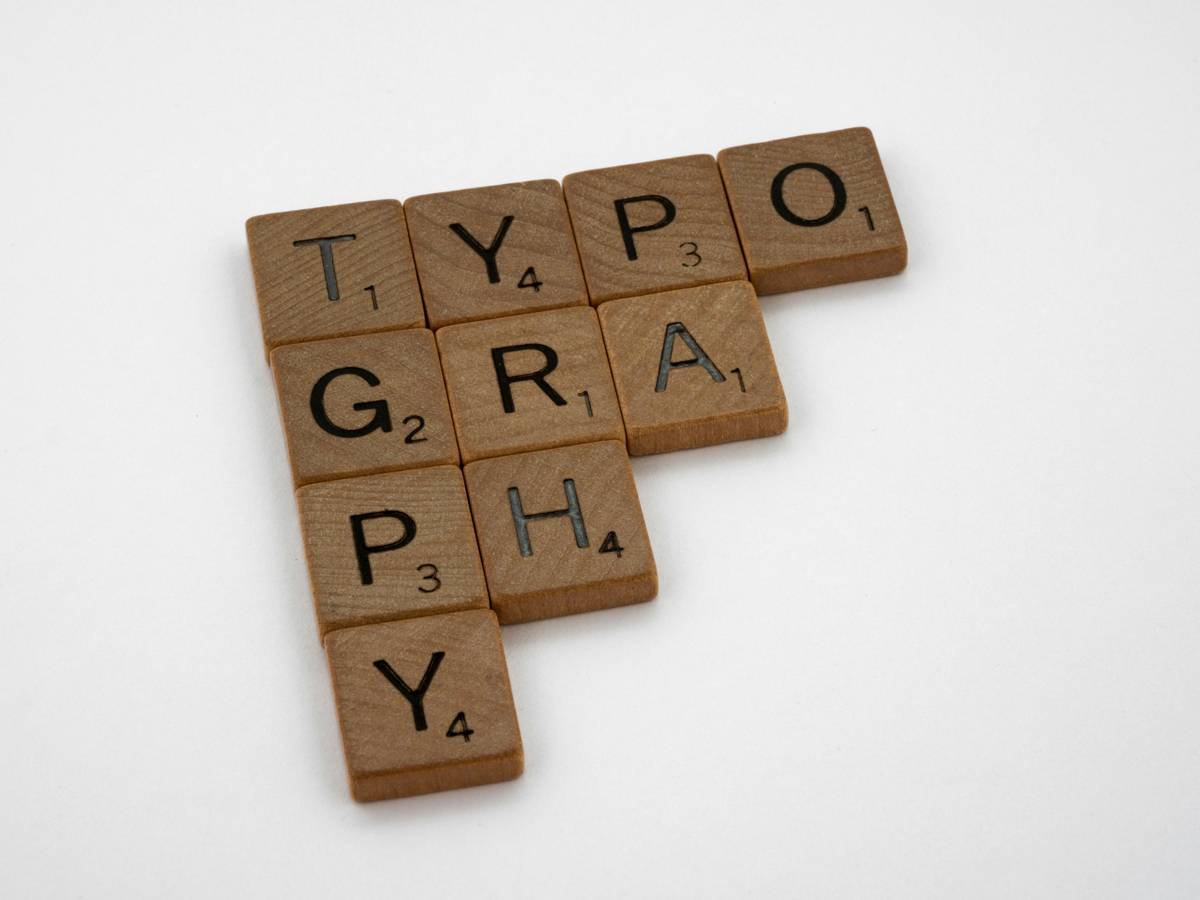
Dyslexia affects up to 20% of the population, making it one of the most common learning disorders. Yet, many people misunderstand its symptoms. Contrary to popular belief, dyslexia isn’t about intelligence—it’s about processing language differently. This difference can lead to struggles with:
- Decoding words
- Spelling consistency
- Reading fluency
- Retention and comprehension
Rant alert: Here’s where I lose it—parents being told their kid “just needs to try harder.” It’s lazy advice that dismisses the real neurological challenges these kids face. Instead, let’s focus on evidence-based solutions like gamified learning platforms.
Step-by-Step Guide to Choosing the Best Dyslexia Education Game
Finding the perfect dyslexia education game can feel overwhelming. Let’s break it down step by step:
- Identify Specific Needs: Does your child struggle with letter recognition? Spelling? Or maybe fluency? Tailor the app choice to specific pain points.
- Check User Reviews: Real users = real insights. Look for reviews from other parents and educators.
- Evaluate Engagement Features: Is the app visually appealing? Does it use rewards or progress tracking? Gamification works wonders.
- Test Accessibility Options: Ensure the app has adjustable font sizes, color overlays, or text-to-speech functionality.
- Consider Pricing: Some apps offer free trials. Use them before committing!
“Optimist You:” *’Finding the right app will be easy!’*
“Grumpy You:” *’Yeah, sure—if you’re okay spending hours comparing features. Coffee first.’*
Tips for Using Dyslexia Apps Effectively
To maximize results, keep the following best practices in mind:
- Set Clear Goals: What do you want to achieve—better phonemic awareness? Improved vocabulary?
- Schedule Regular Playtimes: Consistency beats sporadic sessions.
- Combine Digital with Offline Activities: Apps shouldn’t replace hands-on learning entirely.
- Celebrate Small Wins: Positive reinforcement goes a long way.
Pro Tip (Or Terrible Idea?): Don’t rely solely on apps. No matter how cool they seem, human interaction remains crucial. Trust me—I learned this the hard way after downloading five apps without pairing them with offline support.
Real-Life Success Stories with Dyslexia Apps
Jamie’s story is one of resilience and triumph. At age 8, she struggled so much with reading that her teacher suggested holding her back. Her mom introduced her to a dyslexia education game focused on phonics and spelling. Within six months, Jamie went from reading at a kindergarten level to second grade! And guess what? She loved every minute of it because it didn’t feel like schoolwork—it felt like fun.
Frequently Asked Questions About Dyslexia Education Games
Q: Are dyslexia apps suitable for all ages?
A: Most apps target younger learners but have settings adaptable for teens and adults.
Q: Do I need expensive equipment to use these apps?
A: Nope! Many run on smartphones and tablets.
Q: How quickly will I see results?
A: Progress varies. Be patient and consistent.
Empower Through Play
Dyslexia education games are revolutionizing how kids learn. They blend science-backed strategies with playful interfaces to create a win-win scenario for parents, educators, and students alike. Whether you’re looking to boost confidence, enhance reading skills, or simply add some fun to learning, these apps have something special to offer.
Oh, and one final note: Never forget that behind every statistic is a child who deserves to succeed. Like a Tamagotchi, nurturing growth requires care and attention—but the payoff is worth it.
Letters flip,
Words unlock,
Joy blooms.