Ever stared at a blank screen, fingers hovering over the keyboard, but your brain feels like it’s stuck in an endless loading loop? For people with dyslexia, this struggle isn’t just relatable—it’s daily life. But what if there was a way to bypass the frustration and unlock your potential? Enter speech-to-text technology. Today, we’re diving deep into how speech-to-text dyslexia apps are making learning accessible, efficient, and dare I say—fun.
In this post, you’ll learn:
- The challenges faced by individuals with dyslexia when writing.
- A step-by-step guide to choosing the best speech-to-text app for dyslexia support.
- Tips on maximizing these tools for academic and professional success.
- Real-world examples of users who have transformed their lives using these apps.
Table of Contents
- Key Takeaways
- The Frustrating Reality of Writing with Dyslexia
- Step-by-Step Guide to Choosing the Best Speech-to-Text App
- Tips for Optimizing Speech-to-Text Dyslexia Tools
- Success Stories: Real People, Real Results
- Frequently Asked Questions About Speech-to-Text Dyslexia Apps
Key Takeaways
- Speech-to-text apps reduce cognitive load and empower dyslexic learners to focus on content rather than mechanics.
- Features like predictive text, voice commands, and dictation accuracy are game-changers for productivity.
- The Grumpy You might resist tech adoption, but trust us—the Optimist You will thank you later.
The Frustrating Reality of Writing with Dyslexia
Imagine trying to write an essay while simultaneously deciphering hieroglyphics. Sounds exhausting, right? That’s often what writing feels like for someone with dyslexia. Spelling errors pile up faster than you can fix them, sentences get jumbled, and the sheer effort required drains mental energy.
I once tried handwriting a short report after giving up on typing halfway through—it looked like my cat had walked across the page. Yeah, not great. For too long, traditional methods fell short for dyslexic individuals. Thankfully, advancements in assistive tech, especially speech-to-text dyslexia apps, are changing the narrative.

Why Is This Important?
According to research, 1 in 5 students has dyslexia or another language-based learning difference. Yet, many classrooms fail to provide adequate support. By leveraging speech-to-text tools, we level the playing field, enabling people to express ideas without barriers.
Step-by-Step Guide to Choosing the Best Speech-to-Text App
Not all apps are created equal. Here’s how to pick one that fits your needs:
Step 1: Identify Your Core Needs
Ask yourself: Are you looking for basic dictation software, or do you need advanced features like grammar correction? Write down your must-haves before exploring options.
Step 2: Research Compatibility
Does the app work seamlessly with your devices (iOS, Android, Windows)? Trust me—I downloaded one stellar app only to realize it didn’t integrate with Google Docs. Disaster.
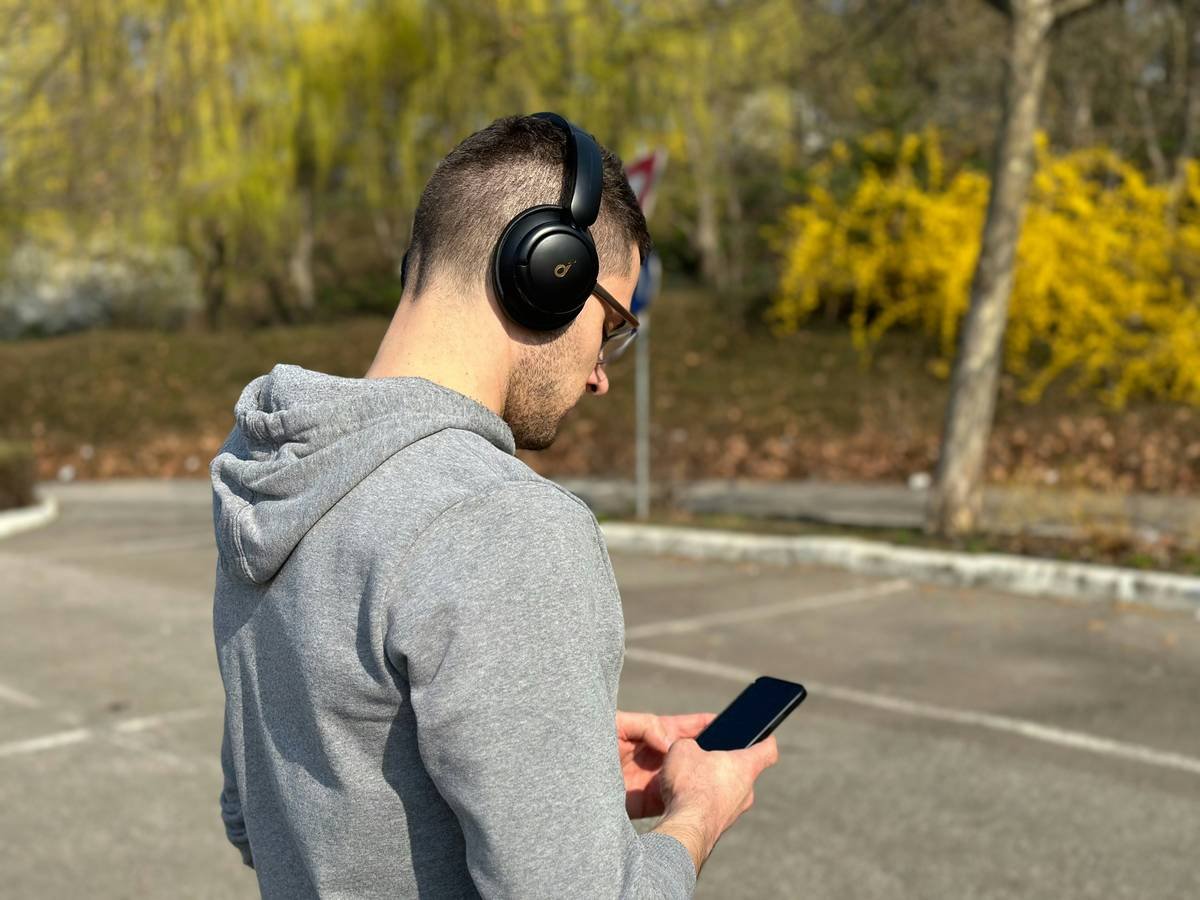
Step 3: Test Accuracy & Speed
Noisy background? Accents? These factors matter. Try free trials to see how well the app understands *you*. Some tools adapt over time; others may leave you screaming into the void.
Step 4: Evaluate Customization Features
Can you personalize vocabulary lists, adjust playback speed, or tweak other settings? Flexibility equals better results.
Step 5: Check Privacy Policies
This part’s boring but crucial. Ensure the app doesn’t store or share your audio data unless explicitly stated.
Tips for Optimizing Speech-to-Text Dyslexia Tools
- Practice Makes Perfect: Spend 10 minutes daily experimenting with commands to boost confidence.
- Edit Strategically: Don’t obsess over every typo during dictation. Focus first on getting thoughts down.
- Combine Tools: Pair speech-to-text apps with grammar checkers or mind-mapping tools for extra efficiency.
- Avoid Multitasking: Silence notifications, close browser tabs, and create a distraction-free zone.
*Optimist Me:* “You’ve got this!”
Grumpy Me: “Yeah, yeah—only if snacks are nearby…”
Success Stories: Real People, Real Results
Meet Sarah, a college junior diagnosed with dyslexia. Before discovering speech-to-text tech, she’d spend hours agonizing over papers. Her grades reflected her hard work—but barely. After adopting one such tool, her GPA soared by half a point within a semester. She now credits her academic success to reduced stress and improved clarity.
Or consider Mark, a freelance writer who feared losing clients due to inconsistent spelling. With a reliable speech-to-text app, he tripled his output and landed two major contracts last year alone.
Frequently Asked Questions About Speech-to-Text Dyslexia Apps
Are They Expensive?
Many offer free versions, though premium plans unlock superior functionality. Think of it as investing in your future self.
Will It Actually Help Me?
It depends! While no tool is foolproof, most users report noticeable improvements in both speed and quality.
What If It Doesn’t Understand My Voice?
Patience is key. Most modern apps improve with use. However, if issues persist, switch providers—it’s okay to shop around!
Terrible Tip Alert:
Sure, you could ignore practice entirely and hope for magic overnight. Spoiler: Won’t happen.
Conclusion
Speech-to-text dyslexia apps aren’t just tools—they’re lifelines. From simplifying assignments to enhancing career prospects, these innovations transform limitations into strengths. So next time you face a daunting project, remember: You don’t have to go it alone.
Like a Tamagotchi from the ‘90s, your journey with these apps requires consistent care—but the payoff is worth it.
:)